Many Of The Most Exciting Things Happening With Coffee Filter Machine


The Importance of a Coffee Filter Machine
For the best results, you should use water that has been filtered that is clean and fresh. This allows the complex flavours of the coffee beans to shine through.
You will also save money in the long term by using a filtering machine, since you just need to purchase coffee filters and paper. It is also possible to save money on cleaning and disposal costs.
Filtered Water
Many espresso and coffee machines come with their own filter system. Others make use of reusable filters such as the most popular, Brita. Whichever method you decide to use the most crucial thing to make the perfect cup is to use clean water. Filtered water isn't only healthy for you, but it also improves the flavor and consistency of the drink.
The process of filtration involves pushing water through a filter comprised of tightly woven paper, or mesh that is either bleached or unbleached. Unbleached filters don't use chemicals, but they are bleached with oxygen or chlorine to create their white color. Some people prefer the flavor of a bleached filter while others find the resulting coffee to be more harsh or less tasty.
There are also permanent coffee filter systems on the market, such as perforated metal sheets, fine plastic mesh, porous ceramics and glazed porcelain sieves that restrain the grounds while allowing the water to pass through. They may require to be boiled or rinsed regularly to function, but are cheaper and less inefficient.
Filtered water also works well with pour-over and French press methods, since it removes a few of the coffee oils that could affect the final cup. These oils are crucial to the aroma and taste of the brew. Eliminating them could make a an important difference. Additionally, a filter makes sure that all the ground coffee is brewed properly and doesn't leave any granules behind.
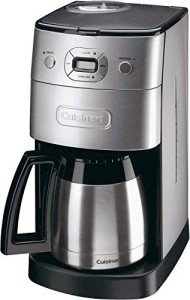
It is essential to select a filter that matches your method of brewing to get the best results. For instance, the Aeropress uses a specific size of paper filter that has been designed to minimize the amount of coffee oil and sludge in the finished product. It is important to rinse your filter with soapy, hot water prior to every use. This will eliminate any taste of paper that may remain and stop it from tainting coffee. Some people also are finding that conical filters make their brew more consistent and richer than a flat filter, because it permits the water to flow uniformly through the grounds by following the flow of gravity.
Temperature and pressure
The temperature of water in a coffee filter machine is crucial. In addition to allowing the right ratio of water to coffee It also ensures best extraction of aromas and flavours. The ideal brewing temperature is 88degC-92degC. Some machines come with built-in thermometers that let you monitor the temperature. Other devices, like thermometers with goosenecks and infrared lasers can also assist you to attain the ideal temperature for your brewing.
A coffee filter machine's filter paper is also essential. The most popular are paper filters, however there is a growing demand for filters that are reusable. They are made of materials such as woven metals (including copper, aluminum and steel) and plastics (including Makrolon/Exolon, Tritan, and Ecozen) as well as porous ceramics or porcelain, and can be placed in holders for filtering paper or cloth filters.
These filters come in a variety of sizes and shapes. Some filters have a distinct "papery" taste which can be eliminated by washing them in hot water prior to using. The permeability can also be a significant factor in the final flavor of the coffee. This is affected by the size of the filter and shape, the type of material of which it is constructed, and the method of manufacturing.
Regularly cleaning your filter coffee maker is essential, especially in areas with hard water. This will help keep the machine operating efficiently and prevent mineral deposits from developing. Regular cleaning routines should include emptying the grounds that have been used and rinsing the filter basket.
The effects of different brew temperatures on total dissolved solids (TDS) and extractive quality have been investigated in a variety of studies. The results suggest that a high TDS and low extractive quality could result in undesirable sensory characteristics, including bitterness, astringency, and sourness. However, the results from these studies don't compare the taste of coffee served at a temperature that is controlled for serving and therefore cannot confirm whether the sourness that is observed is a consequence of the higher TDS or a lower quality extract. The astringency or bitterness that was observed in these studies could be due to different factors, like the size of the grind of the coffee or the roasting temperature.
Extraction
During the brewing process, water removes flavor compounds and oils from the coffee grounds that give the desired taste to the cup of coffee that is brewed. This is a highly variable extraction process that is influenced by many factors including the water temperature and brew time.
The filter of the coffee should be wetted before making coffee to improve the flavor. It increases the flavor of the coffee by encouraging a uniform extraction of the grounds, and lessens bitterness through minimizing over-extraction.
Pre-wetting your coffee filters will enhance the experience of brewing. It will remove any taste of paper and will also heat the brewing vessel to the perfect temperature. This ensures that the coffee is evenly distributed and results in a more balanced, smoother cup of coffee.
Coffee filters are available in various shapes to accommodate different methods of brewing and equipment. Cone filters, baskets filters, and flat bottom filters are a few of the most common. The shape of the filter has an immediate impact on extraction, as well as the choice of coffee grounds and temperatures of brewing can also impact flavor.
No matter if the coffee is brewed in a drip, immersion, or pour-over style coffee maker, it's vital to thoroughly wet the filter prior to beginning the coffee brewing process. Wetting the coffee filter encourages the release of carbon dioxide and helps prevent the flavor of paper, which can negatively affect the flavor of the coffee.
The filter will also be agitated and the coffee grounds are evenly distributed throughout the filter system. This can help to reduce over-extraction and achieve a consistent brew with every batch.
In addition, pre-wetting the filter can help ensure that the flow of water is stable and ensure that the surface of the brewing area is completely saturated. This reduces the risk of excessive extraction that can cause bitterness and astringent taste in the final product.
The chemistry behind the optimal temperature for brewing is complicated and varied, however for filter coffee machines the recommended range is between 195degF to 205degF (90degC to 96degC). This range is ideal for the majority of brewing methods and helps prevent areas of significant corrosion or scaling of the coffee maker's internal components.
Cleaning
Proper daily cleaning is an essential aspect of maintaining a high-quality coffee filter machine. This simple task can help prevent buildup and hard water which can affect the taste of the brew. It also saves you money over the long term by decreasing the need for frequent replacement filters.
For paper, cloth, and metal filters the first step to clean the filter is to eliminate any remaining grounds. The filter can be cleaned in warm water or by hand. You can also soak the filter in a mixture of white vinegar and warm, lukewarm water for a deeper clean. This will help remove residues and oils. A small amount of baking soda can also be used as a mild abrasive in order to remove the stubborn stains and residue. Before drip machine coffee use your filter again rinse and dry it thoroughly.
Whether you have a pour-over or drip coffee maker, a thorough cleaning is crucial to ensure the freshest cup of coffee every time. This will keep your coffee maker in good order and decrease the chance of mold or bacterial growth.
Go through the user manual for your device for cleaning tips. In most cases, you can wash the reservoir of water with hot soapy water and remove any stains. Cafiza is a special cleaning product that can be used to eliminate any lingering odors or buildup from your coffee maker.
This cleaning solution can also be used to clean the carafe of your machine, or other parts that are removable, such as the plunger or lid. To achieve the best results, you should wash and dry your machine to get rid of any vinegar smells or tastes.
A well-maintained filter coffee machine is a great investment for any household. It will allow you to have the best tasting cup of coffee. Your coffee filter maker can be a part of your morning routine for years to come as long as you take care of it. Don't be afraid to invest in a top-quality coffee maker.